Best Probability Games to Challenge Your Mind
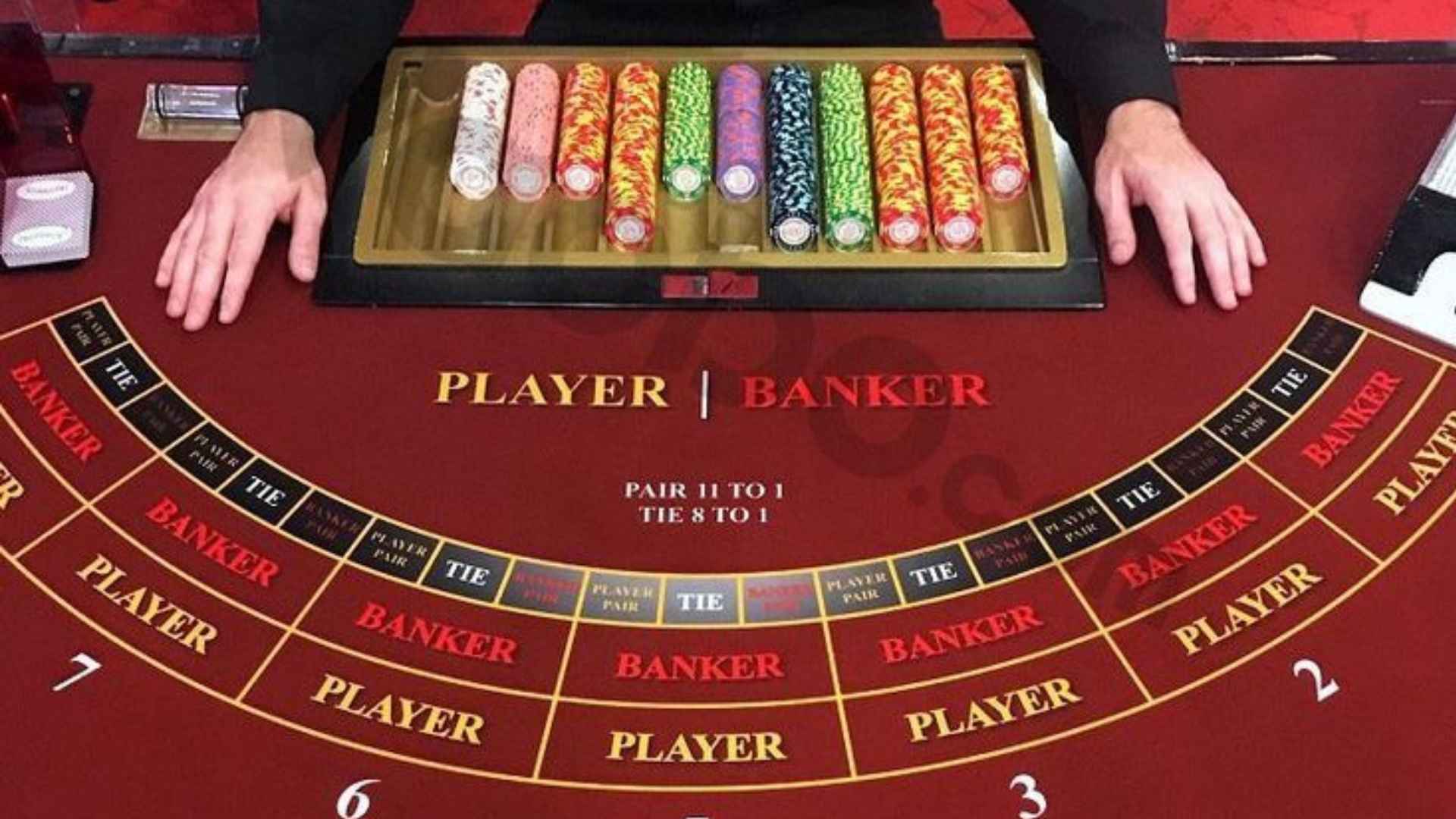
Engaging in tabletop and digital games that rely on mathematical chance is a fantastic way to stretch your cognitive abilities. These activities require you to evaluate risk dynamically while adapting to unpredictable outcomes. Exploring these concepts shifts your perspective from relying purely on luck to making calculated decisions under uncertainty.
Classic Dice and Card Challenges
Traditional tabletop games provide an excellent foundation for understanding random events and conditional outcomes. Card games like poker or blackjack require players to constantly recalculate their odds based on revealed information. These classic options remain highly popular because they test memory, patience, and mathematical reasoning simultaneously.
Dice-based games also offer immediate lessons in statistical distribution and probability variance. Tracking how often specific totals appear helps you recognize patterns over prolonged periods of play. Practicing with these tactile tools refines your ability to estimate risks in everyday situations.
Digital Environments and Advanced Mechanics
Modern technology has expanded the world of chance by introducing sophisticated algorithms and random number generators. Digital puzzles and strategy simulations challenge players to navigate complex layers of likelihood and potential outcomes. These digital platforms provide a highly interactive space to observe theoretical math operating in real time.
For modern enthusiasts looking to test their tactical skills online, selecting a stable platform is essential for a seamless experience. Utilizing a reliable connection option like the M88 link alternatif allows you to explore these complex digital mechanics securely. Studying how virtual systems distribute outcomes can significantly enhance your overarching analytical mindset.
The Value of Strategic Decision Making
Stepping into probability-based gaming encourages the development of sharp logical reasoning and emotional control. Instead of viewing random occurrences as frustrating obstacles, skilled players see them as data points to analyze. This shift in perspective helps minimize emotional choices and fosters calculated long-term planning.
Balancing risk and potential reward is a core life skill that extends far beyond the boundaries of a game board. By learning to accept unpredictable outcomes gracefully, you become much more resilient in real-world scenarios. Ultimately, challenging your mind with these mathematical systems yields profound cognitive benefits.